Training

NFPA 70 E QUALIFICATION TRAINING
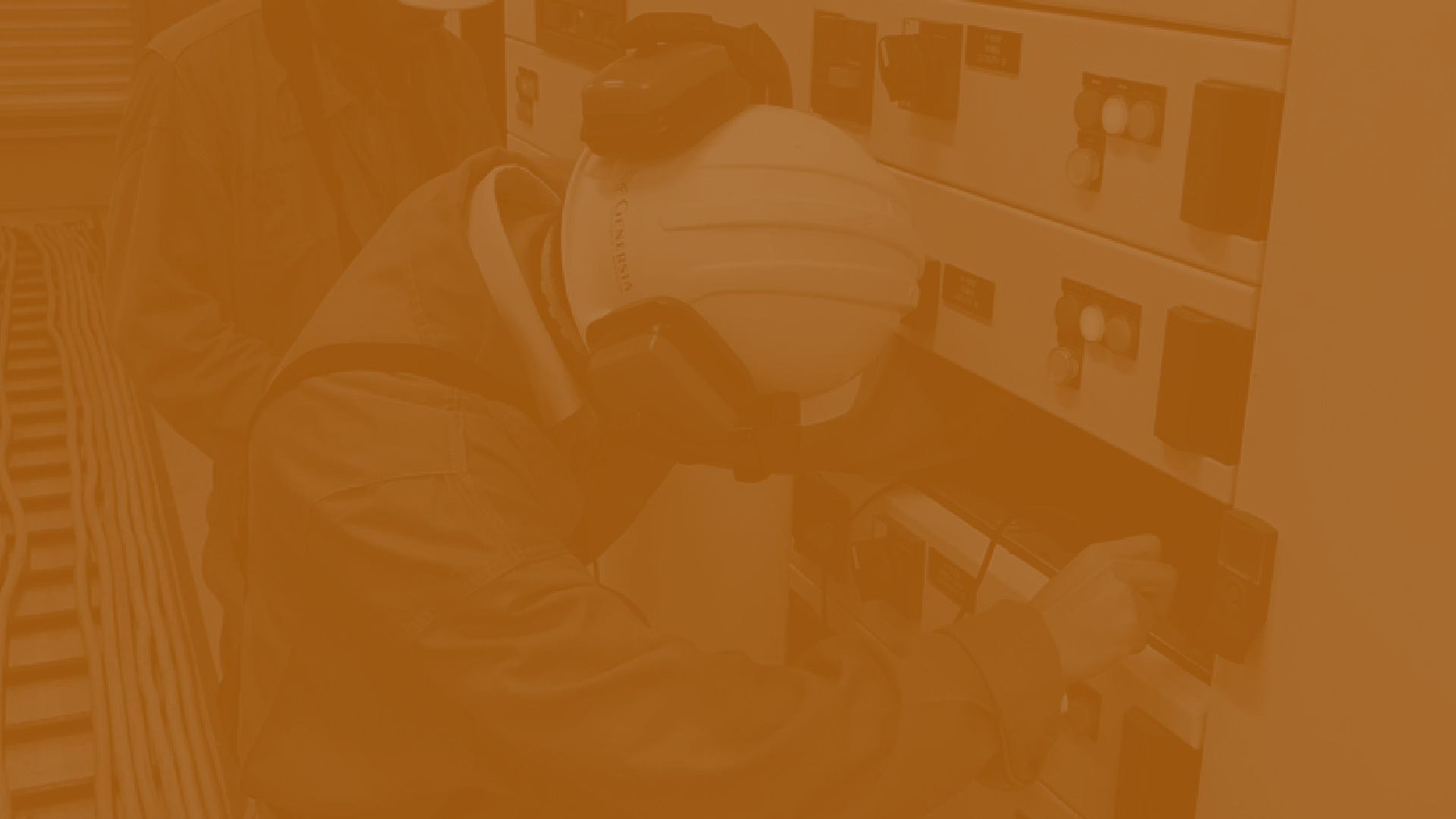
Our Electrical Safety training program has highly trained professionals to teach not only theoretical knowledge but also pass on expertise in the industrial and energy workplaces.
The “Qualification” in the American standard NFPA 70 E is necessary so that, each trainee can know in advance what electrical risks they will be subjected to, what PPE must use to work safely and how they must be used.
This training courses are offered on site, virtually or by e-learning, working with videos and virtual animations that reinforce the understanding of the topics.
The content of the trainings has 8 units:
Unit 1: Electrical arc flash and electric shock risk
Unit 2: Content of the American standard NFPA 70 E
Unit 3: Failures analysis in electrical installations
Unit 4: Protection against electrical shock
Unit 5: Protection against electric arc flash
Unit 6: Electrical protections
Unit 7: Electrical operation & maintenance
Unit 8: Electrical Safety Program
The participants of the Electrical Safety course according to NFPA 70 E are evaluated through a written exam at the end of the training, we can understand each of their strengths and weaknesses, which will finally allow us to create a personalized safety training plan for each participant.
PREPARATION AND RESCUE IN ELECTRICAL ACCIDENT
The participants of this training will psychologically prepare together with their teammates to face a shock or electric arc accident situation involving another team member.
You will know how to lead the rescue at the moment it occurs, whether you are inside an electrical room or finding your badly injured partner, knowing what type of equipment to use for the rescue and how to use the CPE (Collective Protection Equipment).
They will also be trained so that once the accident has been reported, they can know how to take advantage of the first “5 golden minutes” by carrying out basic medical first aid activities that will extend the life of their injured partner, knowing how to “assess” the injuries and then apply safety measures: resuscitation and cardiopulmonary support.
Unit 1: Electric shock and electric arc accident
Unit 2: Damage caused by electric shock
Unit 3: Damage caused by an electric arc
Unit 4: strategy to front facing with an electrical accident
Unit 5: Resuscitation and cardiopulmonary support, basic life support
Unit 6: Psychological perspective of the accident
Unit 7: Exercise of leadership in the rescue
Unit 8: Group conversation space